
Staff Recommendations December 2025
This month we asked our staff what they were reading and for some seasonal reading recommendations. In true Five Leave fashion, we got back responses including featuring social justice, the Troubles, hellscapes, plague, and the odd spooky folk custom. Don’t say we’re not festive. Or do – there are some great books here either way. Look out later in the month for our holiday gift guide and our best of 2025 list.
Non-Fiction |
||
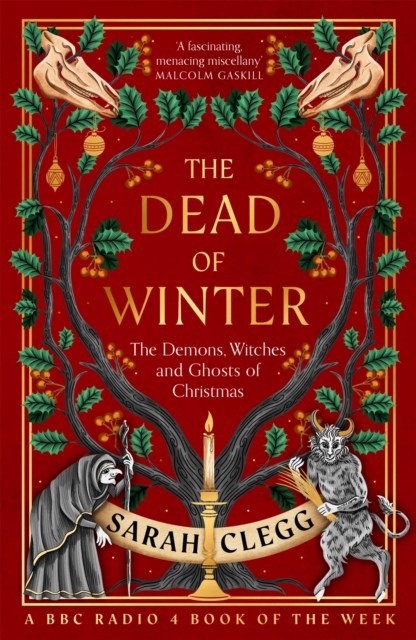 |
Dead of Winter by Sara Clegg (Granta, £10.99)A fantastic exploration of the darker side of midwinter traditions. –Kate |
|
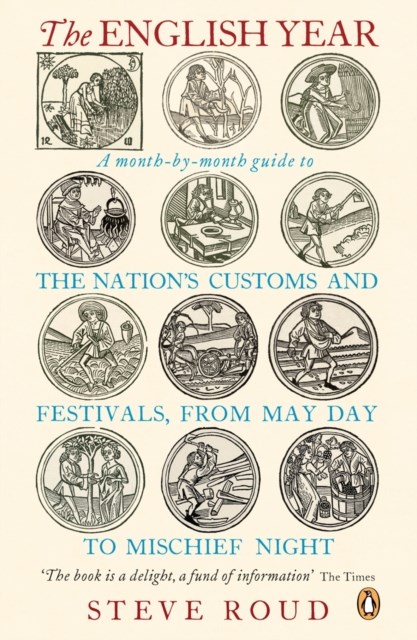 |
The English Year by Steve Roud (Penguin, £14.99)A deep and rich guide to the customs, festivals, and seasonal traditions that shape the English calendar. Month by month, learn about the folklore, history and how celebrations evolved and what they reveal about everyday life. The book works equally well as a reference to dip into, or as a leisurely read from cover to cover. Ever informative for the many years I have owned a copy, it has always given me an appreciation for our national cultural rhythms.–Carl |
|
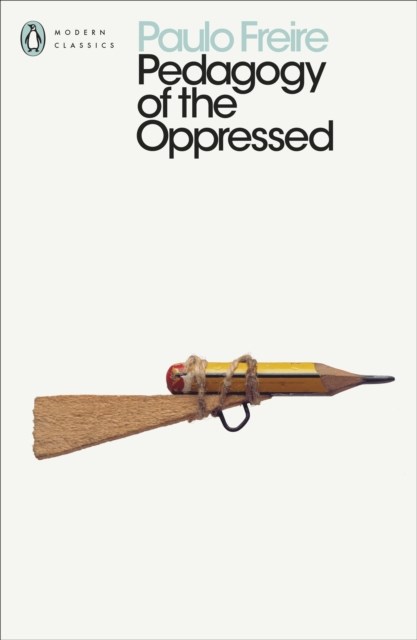 |
Pedagogy of the Oppressed by Paulo Freire (Penguin, 9.99)Pedagogy is evergreen! Making this a seasonal pick not just because we’ve had two busy non-fiction book group discussions on it in the last month, but because it still feels so relevant to community organising and approaches to teaching and learning today. Within Nottingham we’re seeing huge changes proposed to higher education courses, including potentially losing all modern language degrees in the city. Thinking about alternative approaches to education, value and community feels more important than ever and Freire, although not the easiest to get into, sets out a roadmap for meaningful connection and transformation. –Sarah |
|
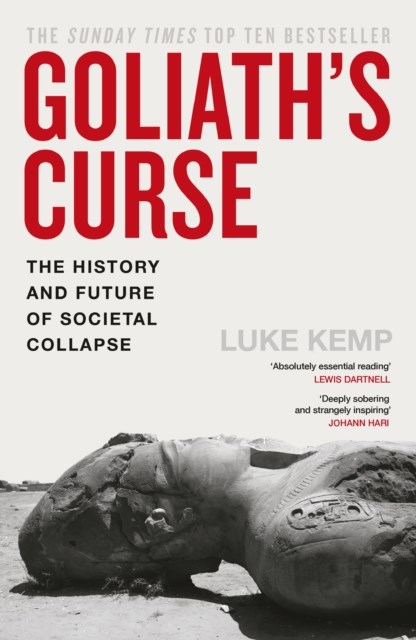 |
Goliath’s Curse by Luke Kemp (Viking, £25)Unsettling, but also strangely hopeful, Goliath’s Curse is a history of societal collapse, tracing patterns from ancient empires to modern global states. He argues that extreme inequality and elite hubris have always weakened “Goliath” powers (Russia, China, the U.S. etc), making them fragile despite seeming invincible. The book mixes deep historical research with urgent warnings about possible ‘catastrophic collapse’ from the convergence of climate change, inequality, AI, and nuclear risk. A morbidly fascinating (not sure what this says about me) survival manual for the future. How likely? You can only judge for yourself. –Carl |
|
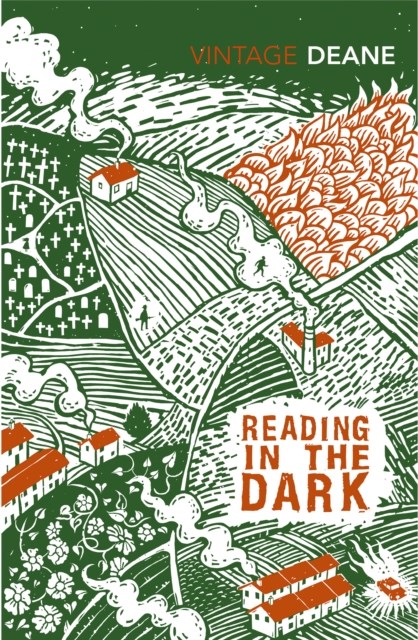 |
Reading in the Dark by Seamus Deane (Vintage Classics £9.99)This is Deane’s memoir of growing up in mid-twentieth-century Derry, in the heart of the Bogside. It’s the best book I’ve read about the Troubles, but also a terrific chronicle of boyhood. Deane was a published poet, and it shows. Each of the segments – some only a few pages long – works as a metaphor for the inscrutable society the narrator is growing up in. Deane was slow to admit that this was a memoir, so you will often find it in the fiction shelves. –Deirdre |
|
Fiction |
||
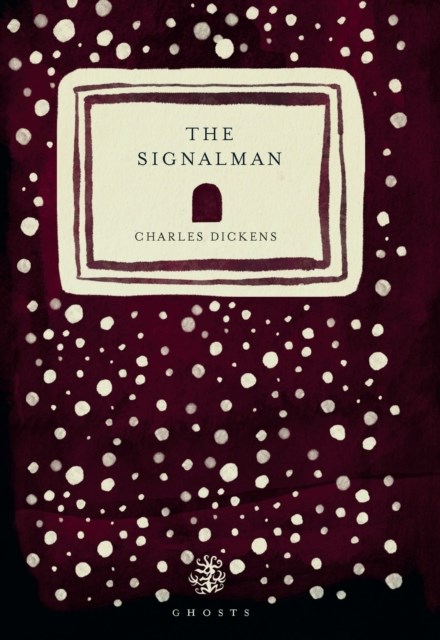 |
The Signalman by Charles Dickens (Galley Beggar Press £5.99)Who doesn’t love a ghost story on dark winter’s nights? While A Christmas Carol is the obvious choice, The Signalman is also a haunting and atmospheric story of psychological tension and supernatural mystery. A troubled railway signalman sees a figure no one else can see, hears bells ringing in his signal box when no one else does… A cautionary reflection on technology and a warning against isolation. Short yet memorable, it is arguably Dickens’ most compelling exploration of fear and fate. –Carl |
|
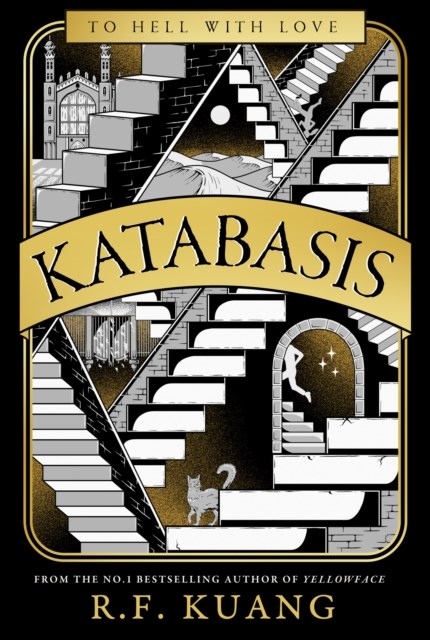 |
Katabasis by R.F. Kuang (Harper Collins £22)Does a sojourn in Hell count as seasonal? I’m saying so (for this newsletter at least!). I think there’s something wonderful about delving into a chunky book as the evenings close in, and this one doesn’t take itself too seriously, while also pulling from a huge range of work on the afterlife. What’s a sleep-deprived perfectionist to do when they accidentally kill their thesis supervisor and one of the most renowned scholars to ever live? Go and bring him back from death, of course! If you’ve thought about reading Dante, but never quite got round to it, why not explore the underworld through this tongue-in-cheek Cambrigian iteration instead? You’ll have more fun! –Sarah |
|
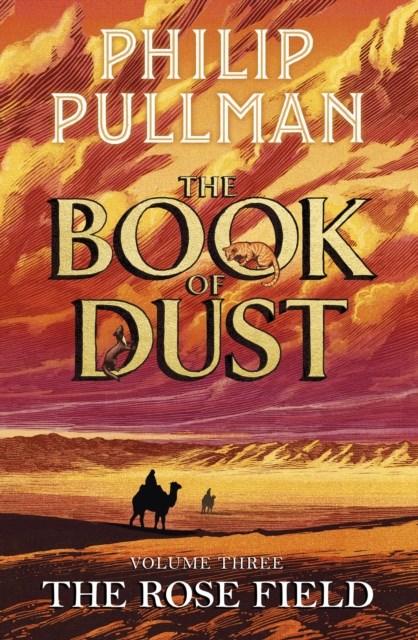 |
The Book of Dust trilogyThere was something not quite right about Northern Lights, I never worked out what it was although I read the trilogy twice. However, I love The Book of Dust. There is humour scattered throughout that makes me laugh out loud, and the commentary on our world sneaks through every now and then to make me think. And it’s a rip-roaring yarn, full of adventure and mystery. The first book tells how Malcolm Polstead and Alice Lawson save baby Lyra from the tentacles of the Magisterium’s CCD (secret police a la Stalin-era Russia). Then the second and third jump forward 20 years to tell what happens when Pantalaimon leaves Lyra to find ‘what she’s lost’, and Lyra hunts for him along the Silk Road, also following the trail of the rose trade, which is in danger from the unfathomable and violent Men from the Mountains. –Pippa |
|
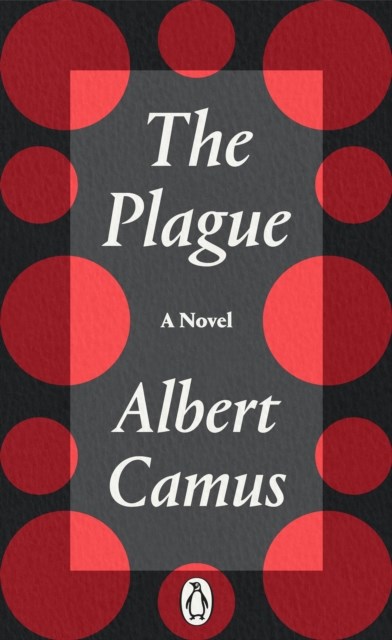 |
The Plague by Albert CamusOK, it’s Christmas, but let’s pretend otherwise as I want to recommend The Plague, and it’s really just not that seasonal. Camus’ novel is about an imaginary plague in the real Algerian town of Oran, first published in French in 1947 and set in the forties. At first it was rodents coming out and dying, singly, then in numbers, then the first people started to get ill, and then… well, you can imagine the rest. How did people react? The main clergyman in town blamed the people for this wrath of God, Doctor Rieux does what he can to save people, a visitor tries to do everything he can to leave the town but nobody is allowed to leave. Meanwhile the body count rises, and the dead need to be buried. How do people cope? –Ross |
|