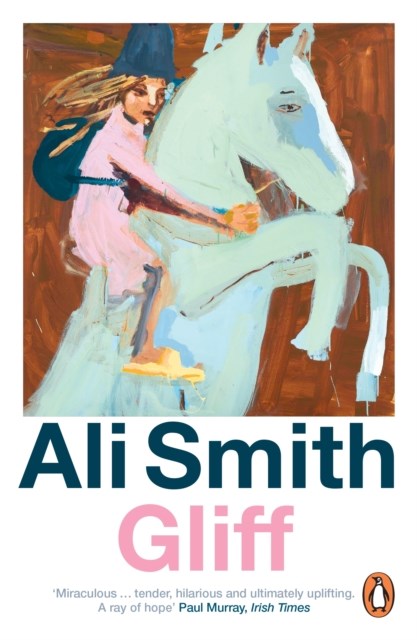
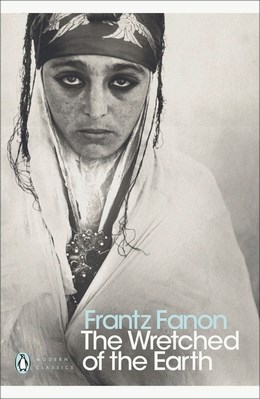
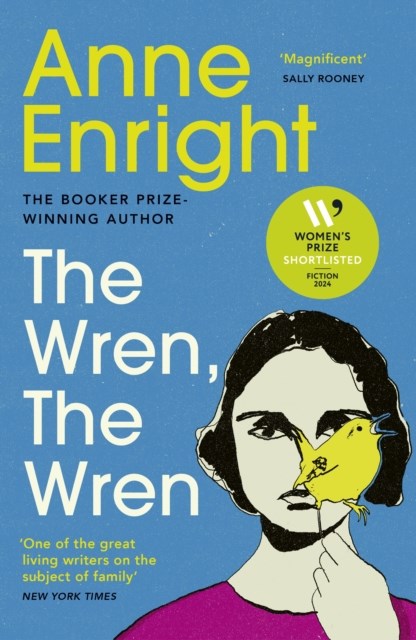
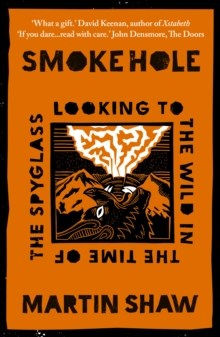
To Be Young, Gifted and Black by Kadiatu Kanneh-Mason

Very glad I read it.
Nottingham’s independent bookshop | 14a Long Row, Nottingham NG1 2DH | 0115 8373097

Very glad I read it.
Two Reviews for Halloween |
||
![]() |
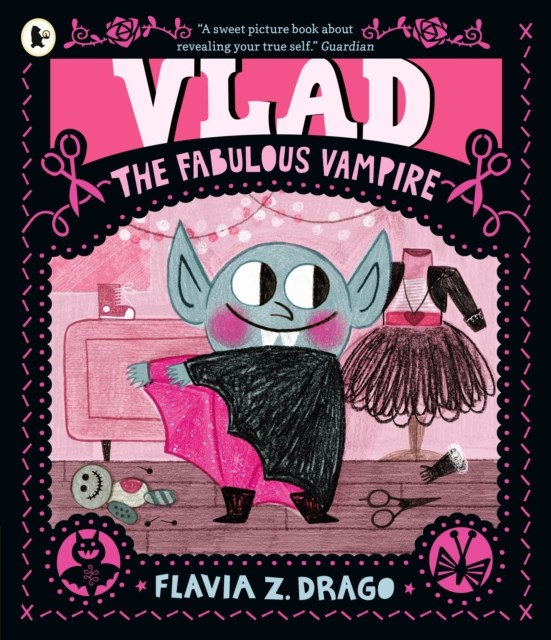
Vlad the Fabulous Vampire by Flavia Z. Drago – well, really (Walker, £7.99)
Vlad was an ordinary everyday, fashionista vampire. He looked cool dressed in traditional vampire black, except his rosy cheeks made him look horribly alive. It was really hard to keep his cheeks covered, so he became a shy vampire. Until an accident happened to the bat hat of his friend Shelley and her – aaargh – pink hair was revealed. With mutual support, the twosome realised that even the most stylish vampires could vamp it up without just being dressed in black, and a new world was open to them. With apologies to our Goth customers. –Ross |
|
![]() |
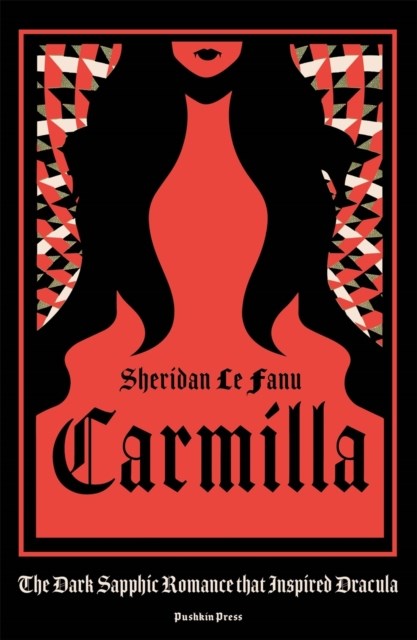
Carmilla by Sheridan Le Fanu (Pushkin, £8.99)
As Halloween and Samhain approach, and the weather turns grim, there’s nothing better than curling up with a book of spooky stories. One of my favourites is the classic vampire novella Carmilla. Considered to be the first literary depictions of a vampire it predates Bran Stoker’s Dracula by some 26 years, although stories in the oral folk tradition have been around for much longer. It’s an uncanny story of a friendship between two young women, fraught with sexual tension, and one is certainly taking more from the relationship than the other. Pushkin’s new paperback edition features a star red and black cover with red page edges, to help readers recover any Gothic image compromised from the book above. –Kate |
|
…and more for the rest of the year |
||
![]() |
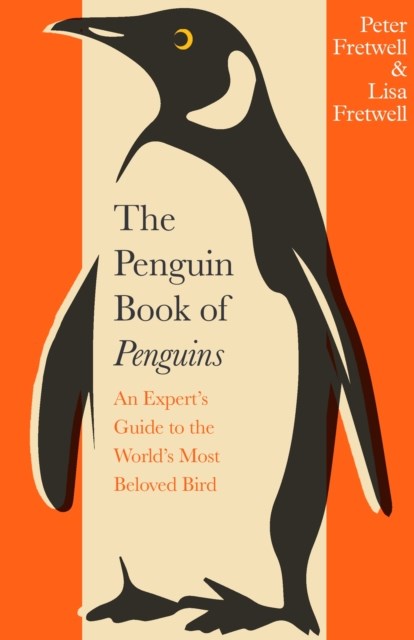
The Penguin Book of Penguins: An Expert’s Guide to the World’s Most Beloved Bird, by Peter Fretwell, Lisa Fretwell (Penguin, 14.99)
After ninety years, Penguin has come up with the most bleedin’ obvious Penguin book ever. We imagine everyone in the Penguin colony slapping their collective foreheads and shouting “Of course” and giving a promotion to the person who thought of it. –Ross |
|
![]() |
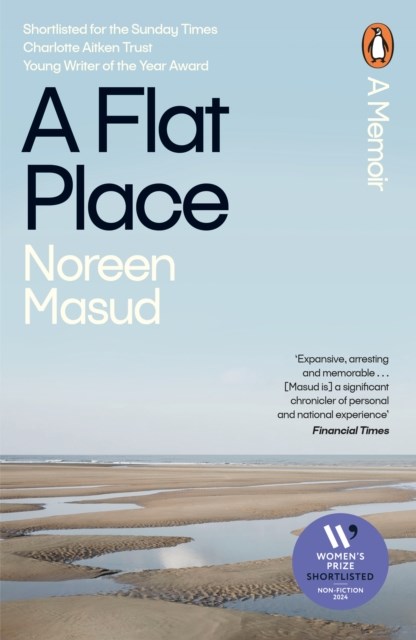
A Flat Place by Noreen Masud (Penguin, £10.99)
As someone who enjoys staring out of train windows at flat landscapes, this book intrigued me. The author identifies her traumatic childhood in Pakistan with flat landscapes, which become both an escape and a liberation. She visits flat places in the UK, including the Fens and Orkney, connecting them to her past. Her personal insights and observations on how who you are—like a weathered landscape—is shaped by your surroundings is fascinating. A great read! –Giselle |
|
![]() |
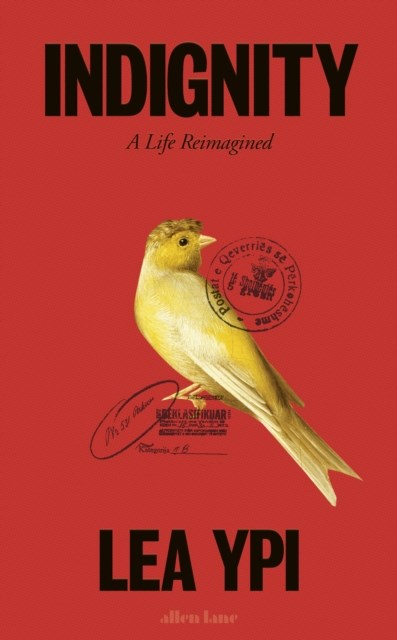
Idignity: A Life Reimagined by Lea Ypi (Penguin £22)
Ypi’s new book is a joy to read and a nightmare to know where to shelve in the shop! It’s a form of intensely researched creative biography, trying to both uncover truths and honour memories of her grandmother, Leman. Through following Leman’s journey, we’re offered an intimate insight into central European histories throughout wars, collapsing empires and occupations. An adventure through the archives, Ypi reconstructs and creatively imagines conversations and encounters that shaped her grandmother’s life, drawing from informant interviews and prison confessions, as well as family anecdotes and the author’s own memories. I listened to this as an audiobook on Libro.fm and really enjoyed hearing the author narrate such a personal account. –Sarah |
|
![]() |
This Is For Everyone by Tim Berners-Lee (Macmillan, £25)
The inventor of the World Wide Web offers a reflective and questioning look back at the technology that now infuses all of our daily lives, for good or ill. Blending memoir, tech history, and a call to action, Berners-Lee reflects on the original ideals behind the web—openness, decentralization, and universal access—and how far we’ve drifted from them. –Carl |
|
![]() |
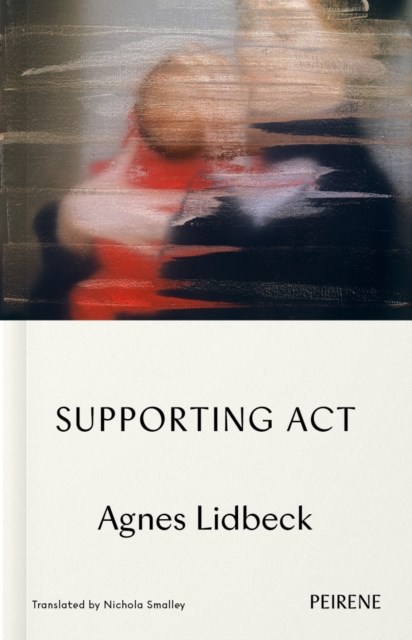
Supporting Act by Agnes Lidbeck, Trans. Nichola Smalley (Peirene £12.99)
We were lucky enough to have Agnes and her translator Nichola Smalley come to do an event on translation earlier this month- an evening which prompted me to read Lidbeck’s first book to be translated into English, Supporting Act. This book is brilliant! The writing is sparing with a dry sense of humour, conveyed brilliantly in the translation. The literary equivalent of splashing cold water on your face to wake you out of mundane patriarchal malaise. This is a feminist novel that took Sweden by storm – and for good reason. Our protagonist is trapped in societal expectations and demands on how she performs womanhood: her roles as mother, lover and carer; but the novel also challenges how self-imposed these trappings are by her own complacence and apathy. I raced through this and have bought two copies as presents since! –Sarah |
|
Our friend and
colleague John Lucas died a few days ago. John and Five Leaves go back a long way, before the bookshop. Indeed, his book England and Englishness was launched at the old Mushroom Bookshop in 1990 and he was a regular at Lowdham Book Festival.
John was a novelist, the publisher at Shoestring Press (and Byron Press before that), a jazz musician, a poet, a critic, a memoirist, an academic, a social historian, a lifelong socialist and a cricketer. He wrote on all of these subjects and many more.
John’s Five Leaves’ books included The Radical Twenties: writing, politics and culture (1995); Stanley Middleton at 80 (joint editor with David Belbin, 1999); Poetry: the Nottingham collection (editor, 2005); Things To Say (poetry, 2010); Next Year Will Be Better: a memoir of England in the 1950s (2011); A Brief History of Whistling (with Allan Chatburn, 2013). He also wrote introductions to our Mask of Anarchy (Shelley) and Odour of Chrysanthemums (D.H. Lawrence) and appeared in several of our anthologies.
In 2007 we celebrated his seventieth birthday by publishing Speaking English, edited by Andy Croft, which brought together more than a hundred distinguished poets from four continents who knew John.
He was a regular at the bookshop, as a customer, as a speaker, an MC at Shoestring Press launches and as an author in his own right – last October launching his book The Moon Looks on Them All, a set of essays on friends and friendship. Appropriate, as John greatly valued friendship and was a valued friend to so many. More importantly, John was a devoted husband to the artist Pauline Lucas, and father of Ben and Emma. Pauline’s paintings appeared on many of John’s books and on many Shoestring titles. Pauline also wrote a book on the Nottingham artist Evelyn Gibbs, which we published, and the Lucas house is a veritable art gallery. His last publication was a private pamphlet about the art and artists they collected.
John was forthright in his opinions about politics and other matters – he hated our cover for A Brief History of Whistling! – and was always good company. His memory was near photographic and he could quote many writers from memory – especially his beloved Dickens.
I could go on. Those who knew him will be talking about John and thinking of him, those who didn’t know him will now have a flavour of his life.
We will let you know if there’s a memorial meeting.
What We’re Reading |
||
![]() |
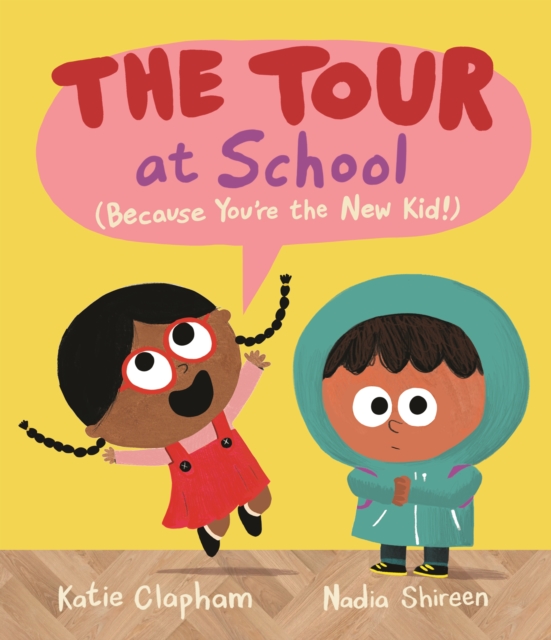
The Tour at School by Katie Clapham and Nadia Shireen (Walker, £12.99)
For the new kid in the school, get ready with this tour. Given the book is for small children, we start with the toilets. Great for singing in because the echo is amazing, but weeing is good too. The playground, an emergency place, Gary the fish, and – last but not least – the library. All you need now are some friends. The book is useful too to go back to after a year, say, so the child can talk about the things they know and perhaps give a tour themselves.
–Ross |
|
![]() |
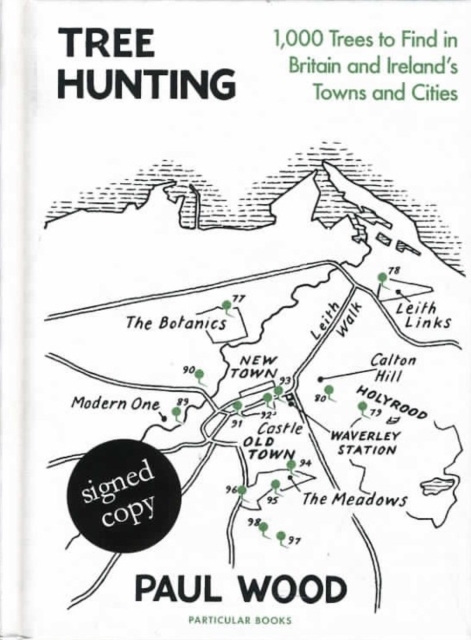
Tree Hunting by Paul Wood (Particular Books, £30)
1,000 trees to find in Britain and Ireland’s towns and cities is the subtitle, so, Nottingham then… And why not start from the bookshop. Turn left out of our alley and in four minutes you can be looking at the Yellow Catalpa on Carlton Street at the start of Hockley. Turn right at the end of our alley and wander down to Castle Boulevard to find one of the best London Plane trees. And then there’s the Arboretum (the Arbo if you are young), and the huge fig tree hanging on a cliff beside the Contemporary, and the 500 year old oak at Woolly Park, the Medlar on University Park… –Ross |
|
![]() |
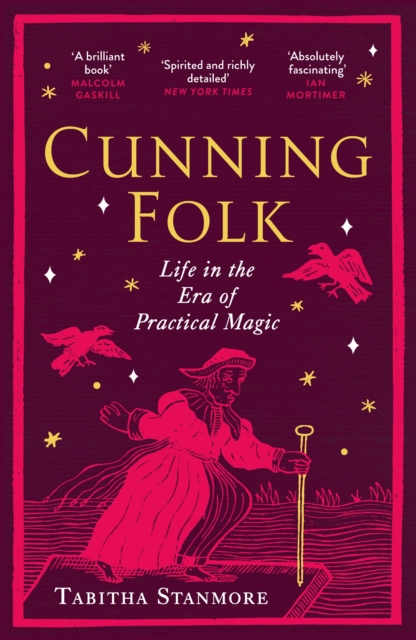
Cunning Folk by Tabitha Stanmore (Vintage, £10.99)
There’s been a lot of interest in recent years about the persecution of alleged witches, but until now, not much has been written about cunning folk, who were considered a different sort of magical practitioner and were more tolerated by society. Stanmore gives a highly entertaining account of the services they offered, including healing, recovering lost items, and even finding buried treasure, as well as an explanation of the roles they played in late medieval and early modern society. –Kate |
|
![]() |
Sweet Thames, Run Softly Till I End My Song by Frances Thimann (Big White Shed, £9.99) Sweet Thames is the third thin collection of short stories by this Nottingham writer that I have read. All have been worth returning to, at least to pick out favourites to reread. In this collection all the stories have a classical music or opera connection, which works well, particularly ‘A world and one letter’ where a non-musical furniture repair worker discovers feelings of empathy for a singer who retired, having lost her voice. She sits alone listening to her old records. Records which the worker discovers have a great meaning for his partner, whose relationship with him is falling apart. –Ross |
|
![]() |
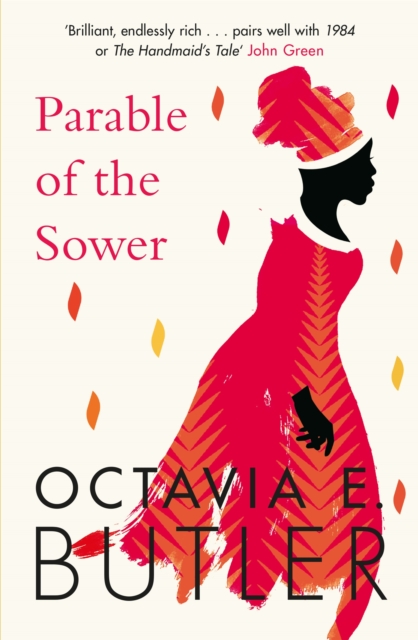
Parable of the Sower by Octavia E. Butler (Headline, £9.99)
I rarely reread books (there are so many more waiting for me!) but occasionally book club forces my hand. This month, I couldn’t be more grateful for that being the case. Returning to Butler’s dystopian world, set in our present, has been rewarding and haunting in equal measure. The text remains fresh, engaging and disturbingly prescient. Never has fiction felt more like a natural tool for survival. –Sarah |
|
![]() |
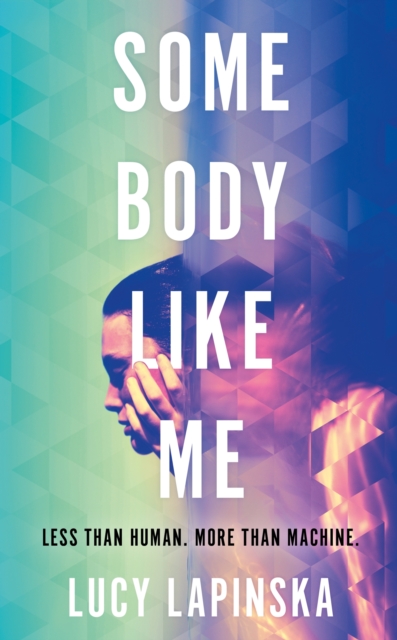
Some Body Like Me by Lucy Lapinska (Gollancz, £20)
Humans have pushed the planet close to the point where they cannot survive, and Personal Computer Companions (androids) have been developed to the point of sentience, although they are still subject to human orders. The story starts with Emancipation Day approaching, when all PCCs and humans will have equal rights. Abigail is David’s PCC, illegally made in the image of his dead wife. As her freedom approaches, it becomes increasingly important that PCC Abigail finds out what happened to human Abigail. This is a dystopian novel with a difference, examining what it means to be human and what it means to be a sentient non-human alongside a cracking plot full of twists. –Pippa |
|
![]() |
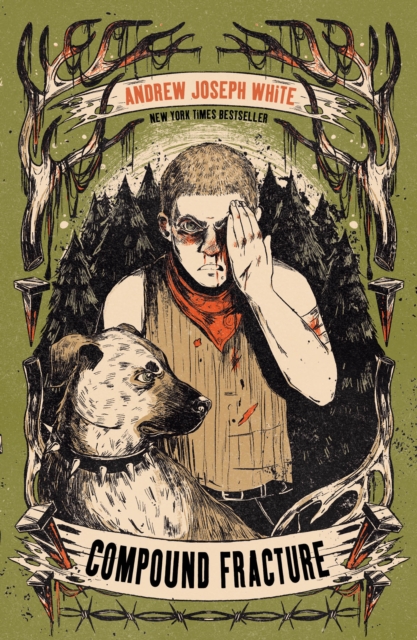
Compound Fracture by Andrew Joseph White (Daphne Press, £9.99)
Queer, trans, autistic and disabled people find community and fight the violent institutional powers in small town Appalachia. What’s not to love?! This YA book connects the rich history of working class resistance to today’s impoverished communities, abandoned and written off by many as “stupid rednecks”. Also, our protagonist is haunted by the ghost of a mining union organiser. –Sarah |
|
Julie Gardner offers deeply personal insights that elegantly interweave to form emotionally resonant narratives. Remembering’s two main sequences, focusing on her mother and her own late husband, guide the reader through a wide emotional range, from sorrow to tenderness, and on to quiet reflection.
Whether in the hope-filled ‘Intermezzo’ or the quietly poignant ‘Embrace’, Gardner compels the reader to follow through each thread. While the individual poems stand on their own, the full impact of themes like time, legacy and love emerges most powerfully through the cumulative flow of the sequences.
Particularly affecting are the poems dedicated to her husband, Arthur, which leave a lasting impression without ever feeling overstated.
And when at first you began to slow,
in my new-found optimism, I believed
it was me who was getting faster.
(‘A New Year’s Resolution’)
The musically inspired titles that follow Gardner’s mother (‘Da Capo’, ‘Rondo’ and ‘Morendo’) add a layer of rhythm and song echoing the cadence of the poems themselves. There is a quiet innocence to the use of ‘Jack and Jill’ within these poems, who we are allowed to follow and imagine into adulthood, lending the reality of the situation yet more gravity the further you lean into the playful, rhyming lilts. Love and care shape every poem in the pamphlet, which is clear in the call-backs to the two bookending poems from Arthur Gardner himself (‘Blessings’ and ‘Messages’). This gives the feeling of a gently circular,
shared memory we’re revisiting. The moon through the window appears throughout the sequence, becoming the symbol of memories that are at once fleeting and constant, but ever luminous.
What would you say if you could
Come and see me now? I think I know.
You’d whisper blessings, show me how
the moon still shines into my room at night. (‘For Arthur’)
Review by Nathan Fidler
fiveleaves.co.uk/product/remembering/
What We’re Reading |
||
![]() |
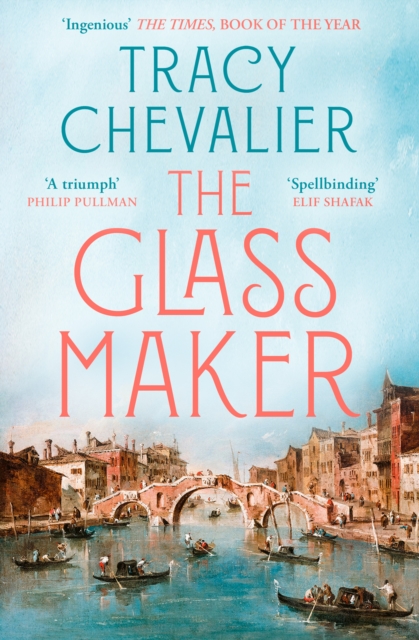
The Glassmaker by Tracy Chevalier (Borough Press, £9.99)
We are in Venice (500 years before Bezos despoiled the place) and meet a family of glassmakers on Murano, just across the lagoon. The book features the same set of characters, ageing slowly, but modern to the age of each section of the book which skips down the centuries. From medieval plague to Covid and steps in between. Not a Doctor Who or a time slip but the same people reacting to their times, with their same personalities and family and friendship networks. The industry changes, there are love affairs and disasters, and Venice eventually becomes joined to terrafirma to become the place we know, where you can still buy Murano glass, though primarily tourist tat rather than the craftwork of before. We learn a lot about glassmaking, and a little Venetian as we go along. One neat character is an initially enslaved gondolier, drawn from a Carpaccio painting from the Renaissance. These days, I imagine you would need to be Bezos to afford a gondola, but they were the standard mode of travel around the city and the watery suburbs. A great summer read. –Ross |
|
![]() |
How To Know a Person: The Art of Seeing Others Deeply and Being Deeply Seen by David Brooks (Penguin £10.99) David Brooks’ is a journalist who I think falls somewhere between social scientist and moral philosopher, and within two books has quickly become one of my favourite writers. In How to Know a Person, he offers a thoughtful exploration of the crucial (and sadly often lacking) skill of truly seeing and understanding others. Beyond superficial interactions, Brooks looks at the art of deep listening, asking real and meaningful questions, and the task of recognising the unique inner lives of individuals. The book provides plenty of raw but honest home truths, valuable insights and practical guidance for fostering more genuine connections out in our fragmented world and closer to home. A worthy follow up to The Second Mountain, his inquiry into living a moral life. –Carl |
|
![]() |
Wish I Was Here by M. John Harrison (Serpent’s Tail £10.99) The book’s title is a clue to the inimitable style of a writer described by the Sunday Times as ‘The best writer you’ve never heard of’. He writes in most genres you can think of, and his work includes the Goldsmiths Prize-winning novel The Sunken Land Begins to Rise Again. The author starts this fragmented, brilliant ‘anti-memoir’ about writing and who he is, or was, with a dedication: “For everyone who couldn’t think what to say”; and a quote: “Yesterday upon the stair/I met a man who wasn’t there.” –Giselle |
|
![]() |
The Flow: Rivers, Water and Wildness by Amy-Jane Beer (Bloomsbury Wildlife, £10.99)
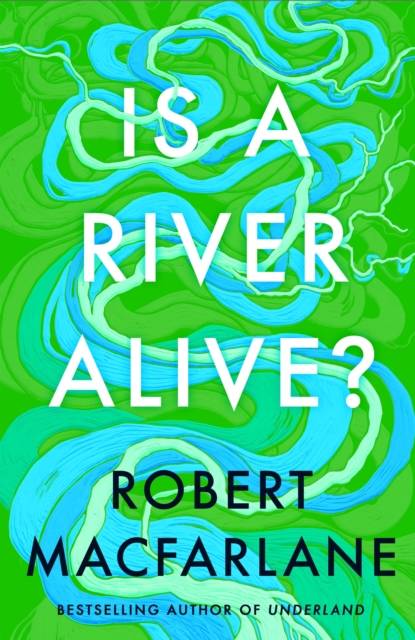
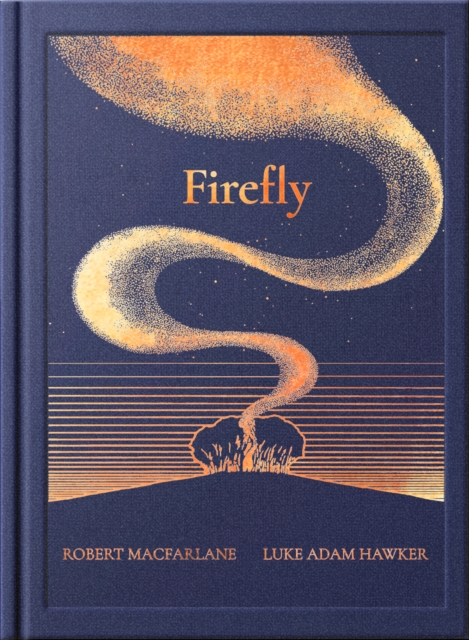
If you pay attention to nature writing, I’m sure you don’t need me to tell you that Robert Macfarlane has a new book on rivers (which you should absolutely read) but if you’d like to know more about Britain’s beautiful and oft mistreated waterways Beer’s 2023 book is well worth a look. Her personal love of rivers sings through the pages, as she grapples to redefine her relationship with the water after stepping back from kayaking following the tragic death of a dear friend. It’s much more than a touching memoir though – it’s also a wealth of information on natural history, geology, and access rights. Worth noting – Beer is one of the key figures in the right to roam movement, fighting to give us all better access to swim, paddle, or simply sit and watch the flow. –Kate |
|
![]() |
Violent Phenomena: 21 Essays on Translation edited by Jeremy Tiang and Kavita Bhanot (Tilted Axis £12.99)
I don’t think I’ll ever stop finding value in this brilliant collection of essays. Each time I pick it up, I learn something new and am challenged on things I thought I understood about, to quote Jen Calleja, the “life-art of translation”. If you enjoy fiction in translation, thinking about language or have an interest in forms of communication, this is a book for you. –Sarah |
|
![]() |
Passion by David Morley (Carcanet, £12.99)
Start by looking closely at the cover, then google the original painting, Gypsies by Rafael Barradas, then sink in… Initially to a poetic equivalent of Merlin, the app where you can identify birdsong, then to a long section on Romany life, which takes two readings, one before, one after reading the extensive glossary. –Ross |
|
![]() |
Versus Versus: 100 Poems by Deaf, Disabled and Neurodivergent Poets ed. by Rachael Boast (Bloodaxe £14.99)
This is the best poetry anthology I’ve picked up in a long time. Where many fall short on consistency, this collection maintains a high standard throughout, while showing a diversity in form and approach. A particular favourite is Levent Beskardès’s poem ‘V’, transposed to the page and translated from French Sign Language by Stephanie Papa. The talent on display in this collection is staggering and has introduced me to so many exceptional poets. –Sarah |
|
![]() |
White Cat, Black Dog by Kelly Link (Head of Zeus/AdAstra £9.99)
Kelly Link is one of my favourite short story writers and her latest collection does not disappoint. Loosely based on fairy tales, the stories quickly diverge into truly original Link tales, full of playful humour. She is a genre-bender of note, effortlessly blending realism, horror, fantasy and sci-fi. Be prepared to go on a wild imaginative journey full of fantastic surprises, from cats running a cannabis farm to a house sitter who is instructed to never let in the owner, should he happen to visit. My favourites are ‘The White Cat’s Divorce’ and ‘Skinder’s Veil.’ –Giselle |
|
![]() |
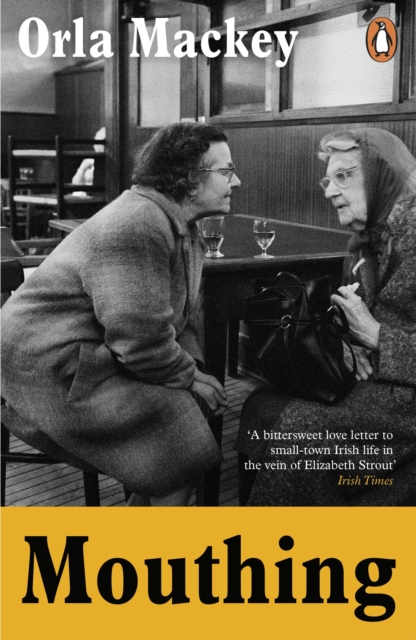
Mouthing by Orla Mackey (Penguin £9.99) I picked this up for June’s fiction book group and though I didn’t manage to attend the discussion on the night, I’m so glad I read this! Told from the multiple perspectives of inhabitants of a small Irish town, it is at turns funny, heartbreaking and brilliantly shows how flawed our perceptions of ourselves and each other often are. –Sarah |
|
What We’re Reading |
||
![]() |
Sons and Lovers by D. H. Lawrence(Penguin, £9.99)
Finally got round to reading this most autobiographical of DHL’s novels, the one which caused the breakdown of his real-life relationship/friendship with “Miriam” – Jessie Chambers, about whom we have published and whose own memoir we are planning to publish down the line. This long novel is pretty grim reading at times – the first part particularly due to the the father in the book – “Walter” – becoming a bully and a drinker, though later there’s an entrancing section on him telling stories to his children about a pit pony from his work. The portrayal of his inadequate but tender feelings for his children when they are seriously ill is moving too. The book’s good on “Paul Morel” visiting Nottingham, and on his relationship with “Muriel” and “Clara”, the lovers, and his cloying relationship with his mother. I was surprised about the overt descriptions of sexual relationships. This was 1913, but it was Lawrence. I read the book on holiday in Robin Hood’s Bay. It’s not a great holiday read, but one of those essential Nottingham books, even if, like me, you are late to the party. –Ross |
|
![]() |
Normally Weird and Weirdly Normal: My Adventures in Neurodiversity by Robin Ince (Macmillan £20) I’m currently reading Robin Ince’s Normally Weird and Weirdly Normal – a great description of what it’s like to be neurodivergent in a neurotypical world. Ince’s raw honesty about his faults and feelings adds an extra dimension, bringing the description to life.Robin did two sold out events earlier this month for us, one in the shop and the other in conjunction with Beeston Library. –Pippa |
|
![]() |
Small Boat by Vincent Delecroix (Hope Road £12.99) For fans of Camus’ The Outsider, this is my personal pick from this year’s International Booker Prize short list. It is as compelling as it is uncomfortable to read. Taking as his fictive starting point the real tragedy of a small boat sinking in the Channel in which 27 lives were lost, Delecroix interrogates the relationship between morality and legal responsibility and what accountability in face of tragedy looks like. –Sarah |
|
![]() |
Sad Tiger by Neige Sinno (Seven Stories £14.99)
A powerful, intelligent and fierce account of child sexual abuse, multiple award-winning Sad Tiger blends memoir and literary criticism to deeply explore a difficult subject in a unique way. “Everyone should read it.” — Annie Ernaux. –Giselle |
|
![]() |
Enemy Feminisms : TERFs, Policewomen, and Girlbosses Against Liberation by Sophie Lewis (Haymarket £14.99)
I’ve been a big fan of Sophie Lewis for years and this latest work feels so necessary and timely. This book is a confrontation for all of us who call ourselves feminists, asking us to acknowledge and own the ugly parts of the movement, throughout history and today. In accessible prose, Lewis shines a light on our skeletons while offering ways to move forward and hold the line against fascist policy and agitators. –Sarah |
|
I’ve been enjoying the Penguin Archive books we got into the shop this month. Celebrating Penguin’s 90th birthday, these 90 works by seminal authors have a striking white and red design and show the brilliant range of writers Penguin has published over the years. I also love a book I can fit in my pocket and read in a sunny afternoon! Personal favourites include: The Story of an Hour by Kate Chopin, Passion by June Jordan, The House of Hunger by Dambudzo Marechera, and Can Socialists be Happy? by George Orwell.
-Sarah
What We’re Reading |
||
![]() |
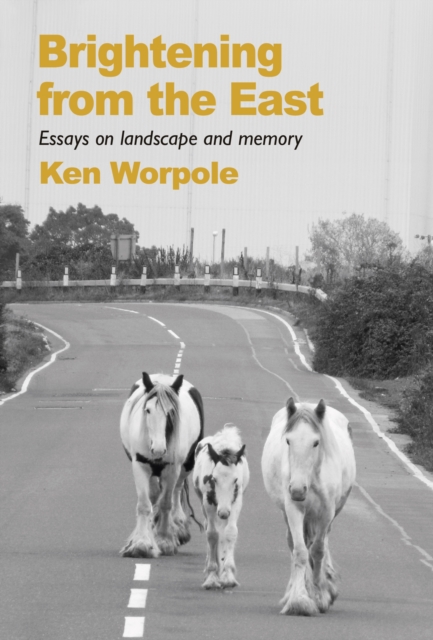
Brightening the East: essays on landscape and memory by Ken Worpole (Little Toller, £16)
The last words in this book are “The good life was to be found in fellowship and generosity to others, in a world in which people carried on learning and supporting each other until the music stopped”. And fellowship and generosity suffuse this book of essays, personal, architectural, historical, ethnographical, biographical, by an old comrade of Five Leaves. The “East” is often Essex, home of utopian experiments, good, like Canvey Island, and, like Bernard Cornwell’s Peculiar People, bad. The book starts with Worpole’s own story of growing up in Southend, with skiffle and CND. I hope he will write a full autobiography one day. –Ross |
|
![]() |
Hunchback by Saou Ichikawa (Penguin £10.99)
I was disappointed this didn’t make the International Booker shortlist, but am so glad the longlist prompted me to pick up the first work from a disabled author to win the prestigious Akutagawa Prize. Hunchback is funny, unapologetic and addresses the complexities around disabled rights, reproductive rights, sexuality and feminist activism all in just 97 pages. Be prepared for some raunchy descriptions, as our narrator has a side-line in online erotica! –Sarah |
|
![]() |
Troll: A Love Story by Johanna Sinisalo, trans: Herbert Lomas (Pushkin £9.99) The premise of this peculiar novel is one small tweak to our world – in the early 20th century, trolls were discovered to be a real wild animal, endemic to northern Finland. It begins as the young, gay photographer Angel rescues an injured troll, which proceeds to obsess him and turn his life upside. Written more as a queer love story than a fantasy book, I was drawn in by short punchy chapters with shifting narrators, and interludes of Angel’s research into trolls. Sinisalo’s debut novel, first published in 2000 (now deservingly revived under its new title by Pushkin), has stayed surprisingly current feeling, with only a few now-nostalgic references to CD-roms and Windows 98. –Kate |
|
![]() |
Madonna in a Fur Coat by Sabahattin Ali (Penguin £9.99)
A classic from the 1940s and a Turkish bestseller by political author, Sabahattin Ali, thought to have been murdered by the National Security Service. His most uncharacteristically romantic book nonetheless challenges gender stereotypes and conservative norms. Set in Ankara and 1920’s Berlin it is a touching and tender account of first love. –Giselle |
|
![]() |
Transitions: The Unheard Stories by Jane Fae (Trans Media £12)
This anthology is written by and about trans people, tackling milestones, jargon, creative expression, healthcare and everyday life. If you are trans, you may be feeling particularly scared and alone right now – this book won’t change the world, but it might give you some solace and a sense of solidarity through the pages. If you are not trans and want to know and understand more about trans people and their experiences, give this a read. Trans people are the experts on their lives, not the tabloid press, cis men in courtrooms or MPs perpetuating culture wars through fear-mongering! –Sarah |
|
Shop Opening Hours
Monday to Saturday:
10.00am – 5.30pm
Sunday:
12.00pm – 4.00pm
Contact Us:
Five Leaves Bookshop
14a Long Row
Nottingham
NG1 2DH
0115 8373097